Crops production

How to boost pollination in crop fields using targeted planting strategies?
Pollination is a critical process for crop production, yet many agricultural systems face challenges in maintaining healthy pollinator populations. With the decline of pollinators worldwide, farmers and researchers are exploring innovative ways to enhance pollination services in crop fields. Targeted…
Lire la suiteUnderstanding crop stress signals: early signs and how to act
In the dynamic world of agriculture, crop stress poses a significant challenge to farmers and agronomists alike. The ability to identify and respond to early signs of plant stress can mean the difference between a bountiful harvest and devastating crop…
Lire la suite
Irrigation scheduling for maximum efficiency in crop farming
Irrigation scheduling is a critical component of modern agriculture, playing a pivotal role in maximizing crop yields while conserving precious water resources. As global water scarcity concerns intensify, farmers and agronomists are turning to sophisticated scheduling techniques to optimize water…
Lire la suiteHow to choose the right crop for your soil and climate?
Selecting the ideal crop for your specific soil and climate conditions is a critical decision that can significantly impact agricultural success. This choice requires a deep understanding of various factors, including soil composition, climate patterns, and the unique requirements of…
Lire la suite
Companion planting in field-scale crop production: myth or method?
Companion planting, a practice rooted in traditional farming wisdom, has gained renewed interest in modern agriculture. As farmers seek sustainable alternatives to intensive monocultures, the concept of strategically combining crops to enhance yields, manage pests, and improve soil health has…
Lire la suite
How vertical tillage differs from traditional methods and when to use it?
Vertical tillage has emerged as a powerful alternative to conventional tillage practices, offering farmers a way to manage residue, improve soil structure, and enhance crop yields. As agricultural technology advances, understanding the principles and applications of vertical tillage becomes crucial…
Lire la suite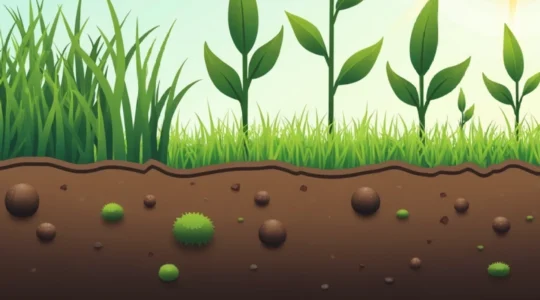
How to test and improve soil microbiology for better crop performance?
Soil microbiology plays a crucial role in agricultural productivity and sustainable farming practices. The complex ecosystem of microorganisms in soil directly influences nutrient cycling, plant health, and overall crop performance. Understanding and optimizing soil microbiology can lead to significant improvements…
Lire la suite
Growing alternative oil crops: flax, camelina, and hemp
The agricultural landscape is evolving, with farmers increasingly turning to alternative oil crops to diversify their production and meet growing market demands. Flax, camelina, and hemp are emerging as promising options, offering unique benefits in terms of agronomic characteristics, nutritional…
Lire la suite
Understanding photoperiod and its effects on crop growth
Photoperiod, the daily cycle of light and darkness experienced by plants, plays a crucial role in crop growth and development. This natural phenomenon influences everything from flowering time to yield potential, making it a critical factor in agricultural production worldwide….
Lire la suite
Tips for extending your growing season with low-tech solutions
Gardening enthusiasts and farmers alike are constantly seeking ways to maximize their growing season, especially in regions with shorter summers or unpredictable weather patterns. Extending the growing season allows for increased crop yields, diversification of produce, and a longer harvest…
Lire la suite